
Health problems often build slowly. They may start as low energy that never goes away, stomach pain that keeps coming back, or headaches that show up every week. People book appointments, sit in waiting rooms, and get the same result, quick visits and prescriptions that help for a short time but do not solve the cause. Living this way is draining, especially when symptoms keep coming back without clear answers.
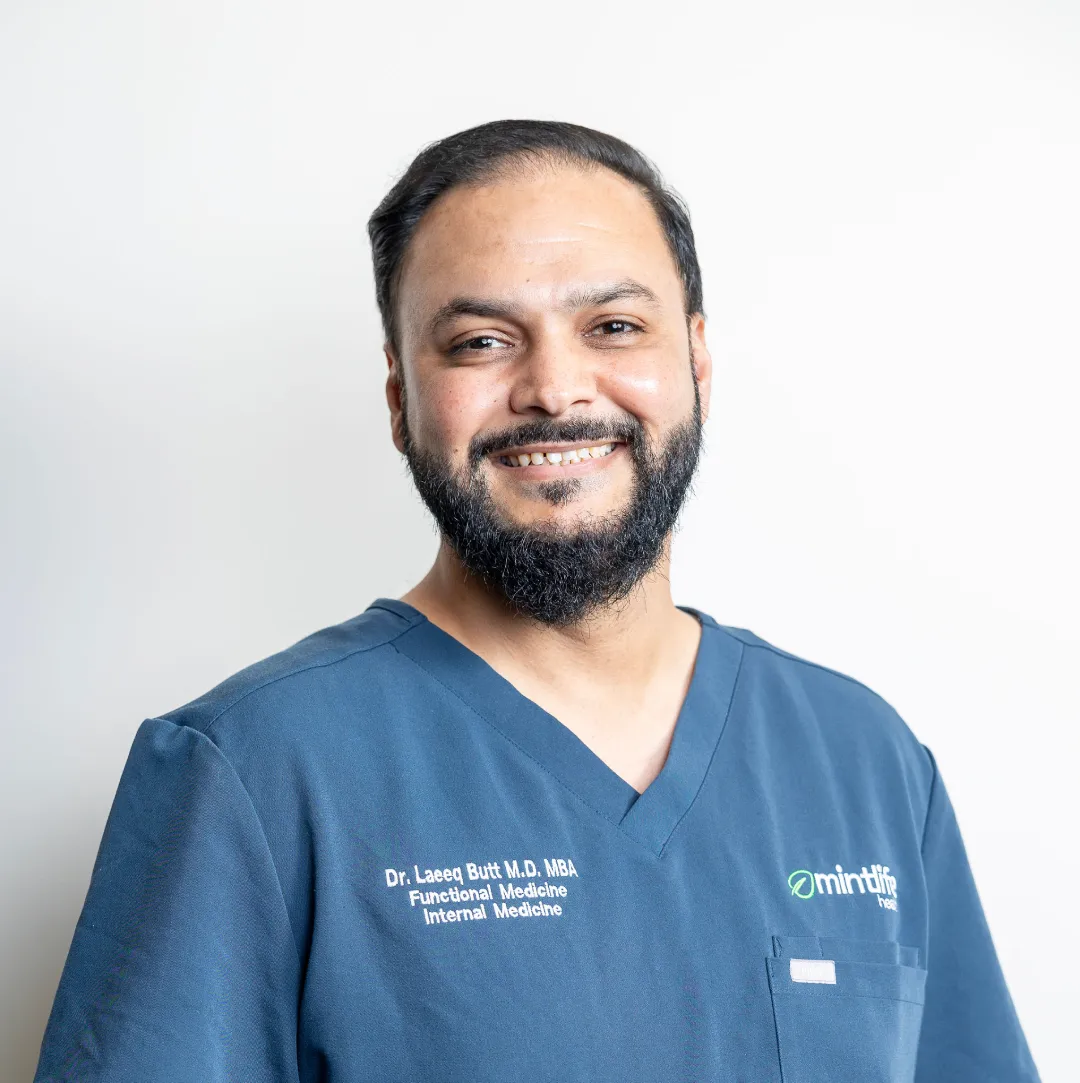
A functional medicine doctor takes a different path. Their goal is not only to ease pain but to ask why it began in the first place. In Sterling, VA, Dr. Laeeq MD offers this patient-first approach, focusing on root causes instead of surface fixes. With years of trusted experience, Dr. Laeeq MD helps people not just manage illness, but build stronger long-term health.
In this blog, we will explain how functional medicine works, how these doctors stand apart, the science behind the method, and why it is changing long-term health.
What Is A Functional Medicine Doctor?
A functional medicine doctor blends modern science with a whole view of health. They look at how genes, lifestyle, and daily habits affect well-being. This wide view helps them find patterns that regular tests may not show. Their goal is to restore balance and support the body’s natural power to heal.
Defining The Role Of A Functional Medicine Doctor
A functional medicine doctor looks for and treats the root cause of illness. Instead of seeing symptoms as separate, they study how body systems connect. They examine hormones, digestion, brain health, immunity, and lifestyle together, not as single parts.
They act like both detectives and guides. They ask about your health history, diet, stress, sleep, and surroundings. With this bigger picture, they design care that aims for long-term results, not just short-term relief.
How Functional Medicine Differs From Conventional Care
Standard medicine often uses a “diagnose and prescribe” model. This works well for urgent needs but feels limited for long-term or unclear issues. Functional medicine is different. Visits are longer, often an hour or more, so doctors can learn more about the patient.
Instead of just giving medication, they may suggest food changes, stress tools, vitamins, or detox steps along with medical care. The aim is not to hide pain but to correct what caused it.
Why Patients Choose Functional Medicine Doctors
Many people turn to functional medicine when they feel stuck. Some have seen many doctors without answers. Others are tired of repeat prescriptions that never fix the real issue. Patients choose this care because it offers:
- Care plans made for them, not one-size-fits-all
- Focus on prevention, not only disease care
- Clear guidance that helps them understand their health
Are Functional Medicine Doctors MDs Or Naturopaths?
Yes, functional medicine doctors come from different medical paths. Some are MDs or DOs with added training. Others are naturopaths or chiropractors. What they share is the goal of finding root causes. Their mix of training lets them use both science and holistic tools to give balanced care.
Educational Backgrounds Of Functional Medicine Doctors
Most functional medicine doctors are MDs or DOs who take further training. They often start in family medicine, internal medicine, or pediatrics before broadening their work. This means they know both regular medicine and integrative care. Some may also come from naturopathic or chiropractic schools, based on their training.
The Difference Between MDs, DOs, And Naturopaths
| Type | Training Focus | Approach To Care | Role In Functional Medicine |
| MDs (Medical Doctors) | Medical school, residency, often board certified | Diagnosis, medication, surgery | Add functional medicine training to mix standard and root-cause care |
| DOs (Doctors of Osteopathy) | Similar to MDs, plus focus on bones and whole health | Mix of standard care and hands-on therapy | Fit well with functional medicine values |
| Naturopaths | Naturopathic school, trained in natural care, nutrition, lifestyle | Prevention, herbal remedies, non-drug care | Often use functional medicine by focusing on natural and lifestyle tools |
Certifications In Functional And Integrative Medicine
Many functional medicine doctors take extra courses to build skill. These programs prove their focus on high standards and better care. The following steps show their drive to keep learning and to meet strict care levels. Doctors may hold credentials from:
- The Institute for Functional Medicine (IFM)
- American Board of Integrative Medicine (ABOIM)
- Training in nutrition, hormones, or detox support
What Do Functional Medicine Doctors Do Differently From Traditional Doctors?
Standard doctors often focus on symptoms. Functional medicine doctors look deeper for the cause. They spend more time with patients, order advanced tests, and create personal care plans. Their method blends science, lifestyle, and prevention. The aim is not quick relief but lasting health.
A Deeper Look Into Patient-Centered Care
Functional medicine puts the patient at the center. Instead of quick visits, doctors spend more time asking about stress, history, habits, and daily life. This deeper talk builds trust and helps find patterns that might be missed.
Diagnostic Testing And Root-Cause Analysis
To go deeper, functional medicine doctors use more advanced testing. These tools give details often missed in standard care. The aim is not only to name a disease but to learn why the imbalance exists. Common tests include:
- Hormone panels
- Gut microbiome tests
- Food sensitivity checks
- Vitamin and mineral levels
Lifestyle, Nutrition, And Personalized Treatment Plans
Healing takes more than drugs. That’s why functional doctors create plans that mix medical insight with daily habits. Instead of one standard treatment, patients get tailored care. This often includes:
- Nutrition guidance
- Stress tools
- Targeted supplements
- Exercise plans
This full-body approach raises the chance of lasting change.
What Is Functional Medicine And How Does It Work?
Functional medicine is science-based and patient-centered. It looks past surface signs to find root causes. Instead of quick fixes, it restores balance with custom plans. By mixing testing, food, lifestyle, and medical care, it creates lasting results. It treats the whole person, not single parts.
The Core Principles Of Functional Medicine
Functional medicine is built on guiding values. These values shift the focus from symptoms to balance.
- Each person is unique, so care must be personal
- The body works as one system
- Prevention and lifestyle matter for long-term health
The Step-By-Step Process Of Care
Functional medicine aims to learn “why” you feel unwell, not just “what” you have. A standard process includes:
- Detailed health history review
- Full testing to find root causes
- Custom care plan for diet, lifestyle, and medical needs
- Ongoing support to track progress and adjust plans
How Functional Medicine Creates Lasting Change
Instead of short fixes, functional medicine builds habits and healing methods for life. Many patients see better energy, mood, and health overall. By fixing causes, not chasing signs, results are deeper and longer lasting.
Is Functional Medicine Legit According To Research?
Studies on functional medicine are growing. Results show promise but also limits. Some studies find benefits in chronic disease care, while others call for more long-term trials. While not a full replacement for standard care, it shows strong patient-centered value.
Studies Supporting Functional Medicine
Research shows positive results. At the Cleveland Clinic, patients saw better blood sugar, quality of life, and health markers. A 2019 study in JAMA Network Open also found greater gains in health quality for functional medicine patients.
Opinions From Leading Health Institutions
Organizations like the Institute for Functional Medicine and Mayo Clinic have recognized the growing role of this approach. Doctors report improved patient engagement and lasting results. So, this means it has positive outcomes.
Limitations And Challenges In Research
While hopeful, more research is needed. Large studies comparing conditions are limited. Insurance cover is also uneven. A 2021 review in Frontiers in Medicine said the field shows promise but needs stronger proof and policy support to enter mainstream care.
Functional Medicine Vs Integrative Medicine: What’s The Difference?
Both types focus on patient-centered and whole care, but they are not the same. Functional medicine studies root causes, while integrative medicine blends standard and natural therapies. Knowing the difference helps patients choose the right path.
Shared Goals Of Functional And Integrative Care
Both approaches treat the person, not just the illness. They value prevention, lifestyle, and personal plans. Both also blend regular and alternative care, giving patients more full support. This shared goal helps patients feel heard and engaged in their healing.
Key Differences Between The Two Approaches
| Aspect | Functional Medicine | Integrative Medicine |
| Core Focus | Finds root causes with testing and systems biology | Mixes natural and standard therapies |
| Approach To Care | Uses deep lab work, genetics, and history | Uses acupuncture, nutrition, and standard care together |
| Philosophy | Science-based, focused on “why” illness happens | Holistic, focused on balance and wellness |
| Common Use | Best for chronic or unclear health issues | Best for patients wanting natural plus standard care |
Which Option Might Be Right For You
If you want science-based care that finds causes, functional medicine may be right. It digs deeper with testing and history. If you want a mix of holistic tools like yoga, acupuncture, and food plans, integrative care may suit you.
Can A Functional Medicine Doctor Create A Personalized Nutrition Plan?
Yes, functional medicine doctors can create personal nutrition plans. Instead of generic advice, they use lab tests, history, and lifestyle to design tailored plans. This makes food a tool for healing, prevention, and long-term health.
The Role Of Nutrition In Functional Medicine
Nutrition is central to functional medicine. Food is seen as either helping or harming. Doctors focus on whole foods and study sensitivities, lack of nutrients, and genes. By using food as part of treatment, they restore balance and strength.
How Doctors Design Personalized Diet Strategies
Functional doctors design diets by blending science with personal needs. They also consider culture, routine, and taste to ensure success. They may suggest:
- Anti-inflammatory diets
- Elimination diets to spot sensitivities
- Nutrient-rich diets matched to lab results
Benefits Of A Tailored Nutrition Plan For Long-Term Health
Custom diet plans give results that last. When food is matched to the body, patients see more energy and balance. A personal food plan can:
- Raise energy
- Balance hormones
- Improve digestion
- Help manage weight
- Lower chronic disease risk
Who Should Consider Seeing A Functional Medicine Doctor?
Anyone who wants more than symptom care should think about functional medicine. It looks for root causes, makes personal plans, and helps with healing and prevention. It is useful for chronic issues but also for anyone wanting to build lasting health.
Common Health Issues Functional Medicine Can Address
Functional medicine works well for health issues often left unsolved by standard care. These include:
- Autoimmune disorders
- Thyroid problems
- Diabetes and metabolic issues
- Gut dysfunction
- Anxiety and depression
Preventive Care And Long-Term Health Optimization
Even healthy people can benefit. Functional doctors help prevent illness and build resilience. They guide patients on stress, sleep, food, and daily habits. This makes functional medicine a smart choice for people who want to avoid future health risks.
How To Know If Functional Medicine Is Right For You
If you are tired of quick fixes and want full care, functional medicine may be best. It suits those who value teamwork with a doctor who listens and adapts. It can be life-changing for people with chronic illness or anyone who feels ignored in standard care.
Conclusion
Functional medicine doctors change health by fixing root causes, not just treating signs. With personal care, proven tools, and patient focus, they support lasting wellness. Clear results, tailored plans, and a focus on long-term vitality make this care stand out. If you want real answers instead of short-term relief, functional medicine is worth exploring.
Ready to improve your health? Book a visit today with Dr. Laeeq MD and see how a functional medicine doctor can change your health with proven care and lasting results.