Autophagy is the process by which cells break down and recycle damaged proteins, worn-out mitochondria and other internal debris, and it is one of the core maintenance systems linked to healthy aging. In animals, boosting autophagy through fasting, exercise or certain drugs can extend lifespan, but in humans we cannot yet measure it reliably in a clinic, and no intervention has been shown to extend human life by increasing it. The most practical way to support autophagy remains the same habits that support health in general.
What Is Autophagy?
The word means "self-eating." Inside every cell, a membrane forms around damaged or unneeded components, encloses them in a small sac called an autophagosome, and delivers them to the lysosome — the cell's recycling center — where enzymes break them down into reusable building blocks.
This is not destruction for its own sake. Autophagy lets cells:
- Clear misfolded or clumped proteins that would otherwise accumulate
- Remove damaged mitochondria (a specialized form called mitophagy)
- Recycle nutrients during periods of low food intake
- Defend against certain bacteria and viruses
- Maintain the stability of long-lived cells such as neurons and heart muscle
The Japanese biologist who identified the genes controlling autophagy in yeast received the 2016 Nobel Prize in Physiology or Medicine, a sign of how fundamental the process is.
Why Autophagy Matters for Longevity
Autophagy tends to decline with age, and impaired autophagy is considered one of the biological hallmarks of aging. Defects in autophagy have been linked to neurodegenerative diseases such as Parkinson's and Huntington's disease, to some metabolic and heart diseases, and to certain infections and cancers.
In yeast, worms, flies and mice, interventions that extend lifespan — including calorie restriction and drugs such as rapamycin — often depend on intact autophagy. When the relevant genes are switched off, the lifespan benefit frequently disappears. That is strong evidence that autophagy matters for aging in those organisms.
The relationship to cancer is complicated. Autophagy can help prevent cancer by keeping cells healthy, but established tumors can also use autophagy to survive stress. More autophagy is not universally good.
How Autophagy Is Regulated
Two nutrient-sensing pathways act like opposite switches:
- mTOR, activated by abundant nutrients (especially protein and insulin signaling), promotes growth and suppresses autophagy.
- AMPK, activated when cellular energy is low, as in exercise or fasting, promotes autophagy.
This balance explains why fasting, exercise and some medications influence autophagy, and why anabolic signals such as high protein intake, insulin and growth hormone tend to reduce it. A healthy life likely involves cycling between the two states rather than staying permanently in either. I discuss related energy pathways in The Role of Mitochondrial Health in Aging.
What Actually Influences Autophagy in Humans
Exercise
Exercise increases autophagy markers in skeletal muscle in human studies, and exercise has the strongest direct evidence of any intervention for longer, healthier life. Both aerobic and resistance training are valuable.
Fasting and calorie restriction
Fasting reliably increases autophagy in animal tissues. In humans, fasting changes some blood and tissue markers related to autophagy, but we do not have a validated clinical test that measures whole-body autophagy. Popular claims that autophagy "starts" after a specific number of fasting hours are extrapolations, not established human facts. Intermittent fasting can help some people with weight and metabolic health, but it is not right for everyone; see Intermittent Fasting and Hormonal Health.
Sleep
Animal research suggests sleep supports the brain's clearance of waste, and poor sleep worsens many of the same pathways that impair cellular maintenance. Consistent, sufficient sleep is a low-risk foundation.
Medications and compounds
- Rapamycin extends lifespan in mice and is the best-studied pharmacological activator of autophagy. In humans, it is an FDA-approved immunosuppressant used after organ transplantation. Its use for longevity is off-label, human aging data are small and early, and side effects can include mouth sores, raised lipids, impaired glucose control and infection risk.
- Metformin and GLP-1 medications affect energy-sensing pathways, but their effects on human autophagy specifically are not well established.
- Spermidine and other supplements are marketed as autophagy activators based mainly on animal and observational data.
- Peptides such as MOTS-c activate AMPK in animal studies. Human data are very limited, and MOTS-c is not FDA-approved.
Autophagy and Senescent Cells
Autophagy is sometimes confused with senolytic therapy. They are related but different. Autophagy is ongoing maintenance inside healthy cells, while senolytics aim to remove whole cells that have stopped dividing and become inflammatory. You can read about that field in Senolytics vs Senomorphics: Clearing Zombie Cells.
How I Use This in Practice
At Laeeq M.D., I do not try to "measure" autophagy, because no reliable clinical test exists. Instead, I focus on the factors we can measure and improve: fitness, body composition, insulin resistance, sleep quality, inflammation and medication safety. For a patient interested in fasting, we review medications and medical history first, and we track weight, glucose and how they feel. Investigational compounds are discussed only after that foundation, with honesty about how little human evidence exists.
Sources
- Press release: The Nobel Prize in Physiology or Medicine 2016 — The Nobel Assembly at Karolinska Institutet, 2016
- Autophagy in Human Diseases — Mizushima N, Levine B. New England Journal of Medicine, 2020
Book a Consultation
If you are interested in fasting, exercise programming or longevity strategies that support cellular health, start with an evaluation that matches the approach to your medical history. Dr. Laeeq offers 60-minute consultations, virtually or in person in Reston, VA. Book a consultation to build a plan grounded in evidence.
This article is for educational purposes and is not medical advice. Discuss any treatment with a licensed physician who knows your history.
Frequently asked questions
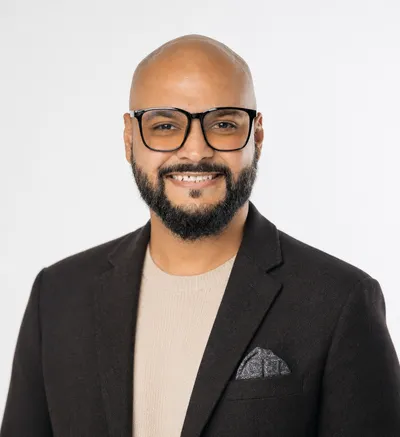
Written by Dr. Laeeq Ahmed Butt, M.D., MBA
Board-certified internist practicing peptide and longevity medicine in Reston, VA, with virtual care in seven states. About Dr. Laeeq