Thyroid optimization for longevity means getting an accurate diagnosis, treating true thyroid disease well and avoiding both under-treatment and over-treatment. Thyroid hormone influences metabolism, heart rhythm, cholesterol, bone and mood, so the goal is not "more" thyroid hormone but the right amount for your age and health. In my experience, the most common problems are misinterpreted labs and symptoms blamed on the thyroid that actually come from somewhere else.
Why the Thyroid Matters for Healthy Aging
The thyroid gland produces mainly thyroxine (T4), which is converted in tissues to the more active triiodothyronine (T3). The pituitary gland monitors thyroid hormone levels and adjusts thyroid-stimulating hormone (TSH) to keep them in range.
When thyroid function is genuinely too low or too high over time, the consequences are real:
- Hypothyroidism can raise LDL cholesterol, slow heart rate, worsen fatigue and cognition, cause weight gain and contribute to infertility.
- Hyperthyroidism, including over-replacement with medication, increases the risk of atrial fibrillation, bone loss and fractures, and can strain the heart.
That second point is often overlooked in the optimization world. A longevity-minded approach must protect the heart and skeleton, not just energy levels.
The Labs That Matter for Thyroid Optimization
For most adults, a sensible thyroid evaluation includes:
- TSH — the most sensitive screening test when the pituitary is healthy.
- Free T4 — confirms whether TSH abnormalities reflect true thyroid hormone changes.
- Free T3 — useful in suspected hyperthyroidism and selected treated patients; less useful as a routine screen.
- TPO antibodies — identify autoimmune (Hashimoto's) thyroiditis and predict higher risk of progression when TSH is mildly elevated.
- Thyroglobulin antibodies and ultrasound — when clinically indicated, such as a palpable nodule.
Reverse T3 is frequently promoted online. It can rise during illness, calorie restriction and stress, but in my practice it rarely changes a treatment decision in outpatients.
Reference Ranges, Age and Repeat Testing
TSH naturally tends to drift upward with age, and a value that is slightly above a lab's reference range in an 80-year-old may not mean the same thing as in a 30-year-old. TSH also varies with time of day, acute illness, recent iodine exposure and recovery from illness.
That is why I rarely act on a single mildly abnormal value. Repeating TSH and free T4 in several weeks, ideally at a similar time of day, is often the most important step.
Subclinical Hypothyroidism: Treat or Watch?
Subclinical hypothyroidism means TSH is elevated while free T4 remains normal. It is common, and it is where many "optimization" debates start.
The best evidence we have in older adults is the TRUST trial, published in 2017. In adults 65 and older with persistent mild subclinical hypothyroidism, levothyroxine did not improve hypothyroid symptoms or fatigue compared with placebo.
That does not mean treatment is never appropriate. It may be reasonable when:
- TSH is substantially elevated, not just mildly above range.
- TPO antibodies are positive and TSH is rising over time.
- A patient is pregnant or planning pregnancy.
- There is a goiter or other clear clinical indication.
T4, T3 and Combination Therapy
Levothyroxine (T4) remains the standard treatment for hypothyroidism. Professional guidelines from the American Thyroid Association do not recommend routine T3 or desiccated thyroid therapy, while acknowledging that some patients continue to have symptoms on T4 alone and that research continues.
In carefully selected patients who remain symptomatic despite well-documented normal TSH on levothyroxine, a monitored trial of combination therapy can be discussed, with clear goals and attention to heart rhythm and bone health. This is a nuanced conversation, not a default upgrade.
When the Thyroid Is Not the Problem
Fatigue, weight gain, brain fog, cold intolerance and hair thinning are classic thyroid symptoms, but they are not specific. Before attributing them to the thyroid, I look at:
- Sleep apnea and insufficient sleep.
- Iron deficiency, with or without anemia. See our guide to iron and ferritin optimization.
- Depression, anxiety and chronic stress.
- Low testosterone in men and perimenopausal changes in women.
- Insulin resistance, vitamin B12 deficiency and medication side effects.
Our article on thyroid dysfunction as the great imitator explores the overlap in more detail.
Practical Foundations for Thyroid Health
There are no supplements proven to "boost" a healthy thyroid, and some can cause harm. A few evidence-aware points:
- Iodine: both deficiency and excess can disrupt thyroid function. High-dose kelp and iodine supplements are a common cause of problems I see.
- Selenium: studied in autoimmune thyroiditis with mixed results; it is not a substitute for monitoring.
- Medication timing: levothyroxine absorption is affected by food, coffee, calcium, iron and some acid-reducing drugs, so consistent timing matters.
- Overall health: sleep, resistance training and a nutrient-dense diet support the systems thyroid hormone acts on.
How We Approach Thyroid Care at Laeeq M.D.
Thyroid optimization at Laeeq M.D. is grounded in internal medicine. We review your full history, repeat labs when needed, look for competing explanations and track heart rhythm and bone health in patients on treatment. If you are preparing for testing, our guide to lab testing before longevity discussions explains how to get the most from your results.
Sources
- Stott DJ, et al. Thyroid Hormone Therapy for Older Adults with Subclinical Hypothyroidism (TRUST). New England Journal of Medicine, 2017. University of Bern repository
- Jonklaas J, et al. Guidelines for the Treatment of Hypothyroidism. American Thyroid Association, Thyroid, 2014. American Thyroid Association
Book a Consultation
If you have questions about your thyroid labs, your current dose or symptoms that have never been fully explained, Dr. Laeeq can review everything in a 60-minute evaluation. Appointments are available virtually or in person in Reston, VA. Book a consultation to get a clear plan.
This article is for educational purposes and is not medical advice. Discuss any treatment with a licensed physician who knows your history.
Frequently asked questions
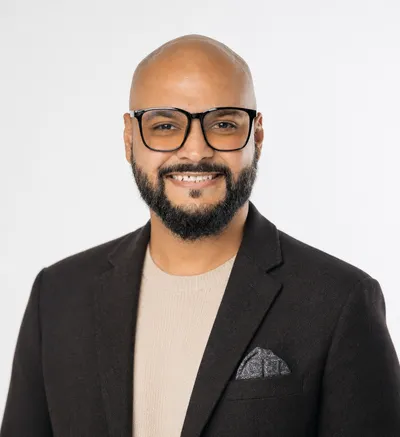
Written by Dr. Laeeq Ahmed Butt, M.D., MBA
Board-certified internist practicing peptide and longevity medicine in Reston, VA, with virtual care in seven states. About Dr. Laeeq