A safe longevity consultation is a full medical evaluation led by a licensed physician: a detailed history, a review of every medication and supplement, appropriate lab testing, and an honest conversation about what the evidence does and does not support. Treatment, if any, comes after that work, with a written monitoring plan. If a visit skips straight to a product menu, it is a sales encounter, not a consultation.
Longevity medicine has grown quickly, and so has the number of places offering it. Some are run by careful clinicians. Others are closer to retail. Knowing what a safe longevity consultation looks like helps you tell the difference before you spend money or put something in your body.
The foundation: a real medical evaluation
In my practice, I start with internal medicine. Before we talk about optimization, I want to know what is actually going on with your health. That means:
- A complete history. Past diagnoses, surgeries, family history of heart disease, cancer, clotting disorders and diabetes, and reproductive history where relevant.
- A medication and supplement reconciliation. Every prescription, over-the-counter product, supplement and "wellness" product you use, including anything bought online. Interactions and duplications are common and often missed.
- Lifestyle review. Sleep, training, nutrition, alcohol, stress and work schedule. These are the levers with the strongest evidence, and they often matter more than any compound.
- Your goals in your own words. "More energy" can point to thyroid disease, anemia, sleep apnea, depression or overtraining. The goal has to be translated into a medical question.
A consultation that cannot accommodate this level of detail is too short. At Laeeq M.D., the initial visit is 60 minutes for this reason.
Labs before treatment, not after
Labs are not a formality. They are how a physician finds the contraindication you did not know you had, such as an elevated hematocrit, an undiagnosed thyroid problem, abnormal liver enzymes, or a lipid pattern that changes the risk conversation. I discuss the reasoning in detail in lab testing before longevity or peptide discussions.
A reasonable baseline often includes a complete blood count, metabolic panel with liver and kidney function, lipids, HbA1c and fasting glucose or insulin, thyroid testing, and hormone or inflammatory markers when the history calls for them. The exact panel should be individualized, not a fixed upsell package.
Honest evidence, stated plainly
A safe longevity consultation separates three categories clearly:
- Proven. Interventions with strong human evidence, such as blood pressure control, lipid management, resistance training, sleep and FDA-approved medications used for their indications.
- Promising. Approaches with early human data or strong mechanistic rationale, where reasonable people disagree.
- Unknown. Compounds where the evidence is limited to animal studies or small, early human reports.
Many peptides discussed online fall into the third category. That does not mean they are worthless, but it does mean a physician should say so out loud. Phrases like "reverse aging" or "no side effects" have no place in a medical conversation.
Transparency about FDA status and sourcing
Regulatory status matters for your safety. Some peptides are FDA-approved for specific conditions, such as tesamorelin, bremelanotide (PT-141), semaglutide and tirzepatide. Many others are not approved, and several were placed by FDA on a list of bulk substances that may present significant safety risks for compounding. That landscape has been changing through 2026, and removal of a compound from that list for review is not the same as permission to compound it. For a plain-language overview, see are peptides FDA approved?.
A safe clinician will tell you:
- whether a product is FDA-approved, and for what;
- whether it can be lawfully prescribed and dispensed, and from what type of pharmacy;
- what is unknown about its long-term safety.
You should never be directed to "research use only" vials or told to self-source. I explain why in why self-injecting research peptides can be risky.
A monitoring plan and stopping rules
Starting a therapy without a plan to monitor it is incomplete care. Before you begin anything, you should know:
- which labs will be repeated, and when;
- which symptoms should prompt a call;
- what result or side effect would lead to stopping;
- how success will be measured, so you are not continuing something that is not helping.
Informed consent that feels like a conversation
Informed consent is more than a signature. It means you understand the expected benefit, the realistic uncertainty, the known and theoretical risks, and the alternatives, including doing nothing or focusing on the foundations first. Good consent also covers cost and the fact that HSA or FSA eligibility does not make something medically necessary.
Red flags to watch for
- A diagnosis or protocol generated from an online questionnaire alone.
- No review of your medications, or no interest in your other physicians.
- Treatment recommended before labs.
- Claims of curing, reversing or "resetting" aging.
- Pressure to buy bundled supplements or prepay for long courses.
- Vague answers about where a compound comes from.
- No plan for what happens if something goes wrong.
Green flags of a safe longevity consultation
- The physician is licensed in the state where you are located during the visit.
- Time is spent on the basics before anything new is added.
- You hear "I don't know" or "the evidence is weak" when that is true.
- The physician is willing to say no, and explains why.
- Your primary care physician or specialists are kept informed when appropriate.
How Laeeq M.D. approaches it
As a board-certified internist practicing peptide and longevity medicine, Dr. Laeeq treats optimization as an extension of good internal medicine, not a replacement for it. Patients are seen in person in Reston, VA, or virtually across Virginia, Maryland, Florida, Texas, California, Pennsylvania and Tennessee. If you are new, the new patients page explains what to bring and what to expect.
Book a Consultation
If you want a careful, evidence-aware evaluation before making any decision about longevity treatment, book a consultation with Dr. Laeeq. The 60-minute visit is available virtually or in person in Reston, and it starts with your history and labs, not a product list.
This article is for educational purposes and is not medical advice. Discuss any treatment with a licensed physician who knows your history.
Frequently asked questions
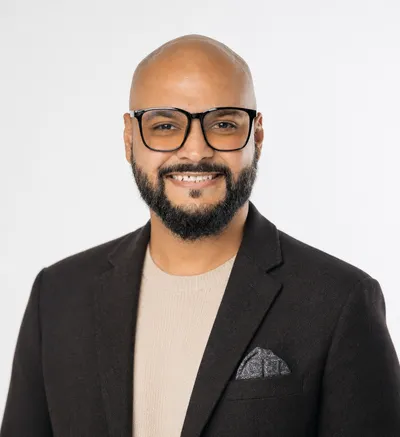
Written by Dr. Laeeq Ahmed Butt, M.D., MBA
Board-certified internist practicing peptide and longevity medicine in Reston, VA, with virtual care in seven states. About Dr. Laeeq