Internal medicine vs longevity medicine is not really a competition. Internal medicine is the board-certified discipline of diagnosing and managing adult disease, while longevity medicine is a newer, less formally defined effort to extend the number of healthy years by acting earlier and optimizing function. The safest and most useful care combines them: internal medicine provides the diagnostic rigor, and longevity medicine provides the forward-looking, prevention-first mindset.
What Internal Medicine Does Well
Internists are trained to think about the whole adult patient. That means taking a careful history, examining the body, interpreting laboratory results in context, and recognizing when a symptom that looks minor is actually the first sign of something serious. Fatigue, for example, may be poor sleep, but it may also be anemia, hypothyroidism, depression, sleep apnea, medication side effects or an early cancer.
Internal medicine also brings an evidence hierarchy. Treatments are expected to be tested in human trials, ideally randomized and controlled, with outcomes that matter: fewer heart attacks, fewer fractures, longer life. That discipline protects patients from interventions that sound good but do not work, or that work at the cost of hidden harm.
The weakness of conventional practice is not the science. It is the delivery model. Short appointments, reactive scheduling and narrow "normal" ranges can mean that risk is noticed only after it becomes disease. I write about that in more detail in why annual physicals are insufficient for proactive health.
What Longevity Medicine Adds
Longevity medicine starts from a different question. Instead of asking "Is something wrong right now?", it asks "What is most likely to shorten your healthy years, and what can we do about it a decade before it happens?"
That shift has real value. It encourages:
- Earlier attention to trajectories, such as a fasting glucose drifting upward over several years even while it remains "normal"
- Function as an outcome, including strength, aerobic fitness, sleep quality and cognitive sharpness
- Longer appointments and deeper conversations about goals, habits and family history
- Interest in the biology of aging, including inflammation, mitochondrial function and cellular repair
Researchers describe a set of "hallmarks of aging" — processes such as genomic instability, loss of protein maintenance, mitochondrial dysfunction and chronic inflammation — that appear to drive many age-related diseases at once. That framework is scientifically serious. What is still uncertain is how well specific interventions targeting those hallmarks translate into longer, healthier human lives.
Internal Medicine vs Longevity Medicine: Where Each Can Go Wrong
Each approach has a characteristic blind spot.
Internal medicine alone can be too passive. If the only goal is to stay out of disease categories, a patient with rising blood pressure, creeping waist size and poor fitness may be reassured until the day a diagnosis arrives.
Longevity medicine alone can drift away from evidence. Without an internist's grounding, it is easy to chase biomarkers that have not been validated, layer on supplements and peptides with mostly animal data, or miss ordinary diseases hiding behind optimization goals. A patient focused on hormone levels may overlook an undiagnosed thyroid nodule, iron overload or a medication interaction.
Why Both Matter: Foundation First, Then Optimization
In my practice, I think of care as a pyramid. The base is internal medicine, and nothing goes on top until the base is solid.
- Diagnosis and safety. A complete history, medication review, physical findings and targeted labs. Real disease is identified and treated first.
- Proven prevention. Blood pressure, lipids, blood sugar, weight, smoking, alcohol, cancer screening and vaccinations. These have the strongest outcome data in medicine.
- Lifestyle foundations. Sleep, resistance training, aerobic fitness, nutrition and stress management. The American Heart Association's "Life's Essential 8" is a useful, evidence-based summary of these basics.
- Targeted optimization. Only after the first three are in place do we consider more individualized tools, such as hormone therapy for documented deficiency, FDA-approved medications used for appropriate indications, or a careful discussion of investigational peptides.
The order matters. Many patients who arrive asking about peptides or advanced testing discover that the biggest gains come from treating sleep apnea, correcting a thyroid problem, or building a consistent training habit. That is not a lesser outcome. It is often the most effective one. Our lab-first approach exists for exactly this reason.
A practical example
Consider a 52-year-old who wants to improve energy and body composition. This is a composite, illustrative example — not a specific patient. A longevity-only lens might jump to growth hormone secretagogues or a peptide "stack." An internal medicine lens first asks about snoring, alcohol intake, medications, mood and recent weight change, then checks a metabolic panel, blood count, thyroid function, lipids, HbA1c and, when indicated, sex hormones. If those reveal untreated sleep apnea and prediabetes, the plan writes itself — and it is supported by far stronger evidence than any experimental compound.
How Laeeq M.D. Combines the Two
As a board-certified internist who also practices peptide and longevity medicine, I built Laeeq M.D. so that patients do not have to choose. Every new patient starts with a full internal medicine evaluation. We then talk openly about goals and about the evidence behind each option: what is proven, what is promising, and what is unknown. When an investigational compound comes up, we discuss its regulatory status and safety data before anything else, and dosing is never decided before an evaluation and labs.
Care is available virtually and in person at our office in Reston, VA, for patients in Virginia, Maryland, Florida, Texas, California, Pennsylvania and Tennessee. You can read more about our internal medicine services and our peptide and longevity program, or review what to expect on the new patients page.
Sources
- Life's Essential 8: Updating and Enhancing the American Heart Association's Construct of Cardiovascular Health — Lloyd-Jones DM, et al. Circulation, 2022
- Hallmarks of aging: An expanding universe — López-Otín C, et al. Cell, 2023
Book a Consultation
If you want care that looks ahead without losing sight of the fundamentals, start with a 60-minute evaluation with Dr. Laeeq, virtually or in person in Reston. We will review your history, labs and goals and build a plan in the right order. Book a consultation to get started.
This article is for educational purposes and is not medical advice. Discuss any treatment with a licensed physician who knows your history.
Frequently asked questions
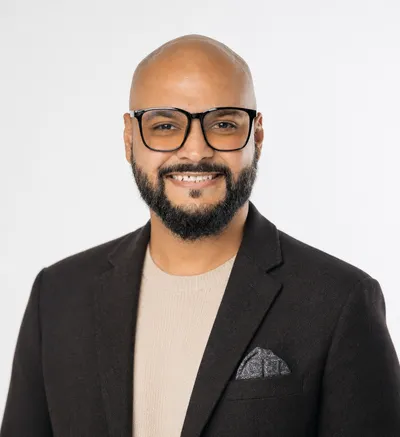
Written by Dr. Laeeq Ahmed Butt, M.D., MBA
Board-certified internist practicing peptide and longevity medicine in Reston, VA, with virtual care in seven states. About Dr. Laeeq