I chose to practice internal medicine and longevity medicine together because I believe the best way to help people live longer, healthier lives is to combine rigorous diagnosis of disease with an earlier, more proactive focus on the risks that lead to it. Internal medicine gives me the foundation to understand the whole adult patient. Longevity medicine gives me the time and the mandate to act before problems become diagnoses.
The path that shaped how I practice
My route to medicine was not a straight line, and I think that has shaped the kind of physician I am.
After high school, I served six years in the U.S. Army as a linguist, translator and analyst. That work taught me habits I still use every day: listen carefully, translate complicated information into plain language, and never confuse what you hope is true with what the evidence actually shows. Analysts who overstate their confidence make bad decisions. So do physicians.
I went on to study molecular biology, which gave me a lasting interest in how cells signal, repair and age. Medical school and an internal medicine residency followed, and I became board-certified in internal medicine. Later I completed an MBA in healthcare management, because I wanted to understand not only the science of medicine but also the systems that determine how care is actually delivered.
Why internal medicine
Internal medicine is the specialty of the whole adult. Internists are trained to think across organ systems: to recognize that fatigue might be thyroid disease, anemia, sleep apnea, depression or a medication side effect, and to manage people who have several chronic conditions at once.
Over the years, I have worked in hospital medicine, intensive care, skilled nursing facilities, telemedicine and obesity medicine. Those settings taught me something that is hard to unlearn: a large share of what fills hospital beds, from heart attacks and strokes to complications of diabetes and kidney failure, develops slowly over years and is at least partly preventable. By the time many people reach the hospital, the most effective window for prevention has already narrowed.
That experience made me want to work further upstream.
Why longevity medicine
Longevity medicine, as I practice it, is about extending healthspan: the years you live with good physical function, clear thinking and independence. It focuses on the major drivers of chronic disease and age-related decline, including insulin resistance, high blood pressure, atherogenic lipids, loss of muscle and fitness, poor sleep and chronic inflammation, and addresses them years or decades earlier than a conventional system usually does.
Longevity medicine also includes newer tools: advanced lab testing, hormone evaluation, GLP-1 medications and, in selected cases, peptides. This is where I think a physician's discipline matters most. The field attracts a lot of hype, and many popular compounds have only animal or early human data. My job is to say clearly what is proven, what is promising and what is unknown, and to protect patients from spending money or taking risks on things that are unlikely to help.
Why the two belong together
I have seen two common failure modes.
The first is conventional care that is too rushed to be proactive. In many systems, a visit lasts minutes, labs are limited to the basics, and a result inside the reference range ends the conversation even if it is trending in the wrong direction. I write about this more in the problem with 15-minute medicine.
The second is "optimization" care that skips medicine altogether: hormone or peptide protocols started without a proper history, physical examination, diagnosis or monitoring plan. That approach can miss real disease and can create new problems.
Combining internal medicine and longevity medicine avoids both. It means:
- A full internal medicine evaluation before any optimization discussion
- A lab-first approach, interpreting results in context rather than only against reference ranges
- Foundations first: sleep, nutrition, training, stress, blood pressure, glucose and lipids
- Evidence-aware decisions about medications, hormones and peptides, including the willingness to say no
- Ongoing monitoring, because any intervention worth doing is worth measuring
You can read more about this distinction in internal medicine vs longevity medicine.
Why a concierge model
I built Laeeq M.D. as a cash-pay concierge practice because this kind of care needs time. An initial consultation is a full 60 minutes. That time allows a complete history, a careful review of prior records and labs, and a real conversation about goals and trade-offs. The concierge model also allows continuity: the same physician following your results and adjusting the plan over time. The reasoning behind this is explained in the concierge medicine model.
The practice serves patients in person in Reston, VA, and virtually across Virginia, Maryland, Florida, Texas, California, Pennsylvania and Tennessee.
What this means for you as a patient
If you come to see me, here is what you can expect:
- I will listen first and take a complete history.
- I will start with labs and the basics before discussing advanced therapies.
- I will tell you what the evidence shows, including when it is thin.
- I will not make promises about results that the evidence cannot support.
- If a treatment is not right for you, I will say so, and explain why.
- We will measure progress, not just hope for it.
What has stayed constant
Looking back, the thread connecting the Army, molecular biology, hospital medicine and longevity care is the same: understand the system carefully, communicate clearly and act on evidence. I practice internal medicine and longevity medicine together because, done well, they are not separate disciplines. They are two halves of taking an adult's health seriously, today and for the decades ahead.
Book a Consultation
If this approach resonates with you, I would be glad to meet you. You can book a consultation for a 60-minute evaluation with me, virtually or in person in Reston, and we will start with your history, your labs and your goals.
This article is for educational purposes and is not medical advice. Discuss any treatment with a licensed physician who knows your history.
Frequently asked questions
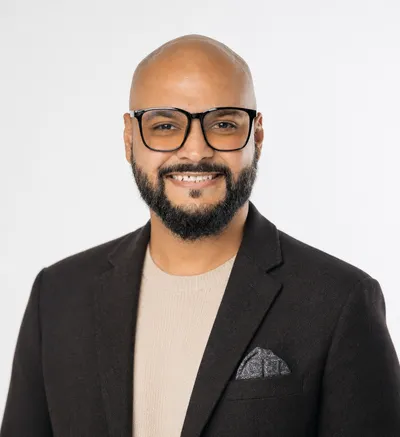
Written by Dr. Laeeq Ahmed Butt, M.D., MBA
Board-certified internist practicing peptide and longevity medicine in Reston, VA, with virtual care in seven states. About Dr. Laeeq